Conference Committees · 2026

Six Rooms. One World.

From regional disputes to artificial intelligence to a civil war on its tipping point — these are the six chambers where TBS MUN 2026 will be decided. Each card below leads to its chair, background guide, and country matrix.

ASEAN Lok Sabha UNSC UNHRC HCC IPC
Committee 01 · Regional

ASEAN Plus Six

Agenda

Addressing security and territorial disputes between ASEAN (Plus Six) member states.
TS
Chair
Tejas Singh Sagoo
ASEAN

Brief

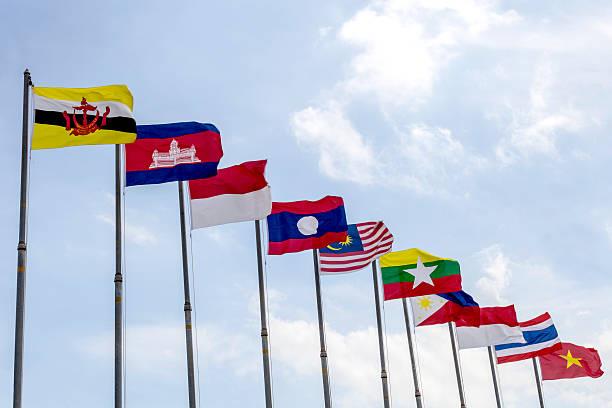
From the South China Sea standoff to the Cambodia–Thailand frontier and the Naga–Myanmar dispute, ASEAN's regional architecture is being tested at every seam. The "Plus Six" framework — adding China, Japan, South Korea, India, Australia and New Zealand — opens the committee to global powers with overlapping stakes in the Indo-Pacific.

Delegates must reconcile the principle of ASEAN centrality with the realpolitik of competing maritime claims, defence pacts and shifting alliances. Expect heavy negotiation on freedom-of-navigation regimes, dispute-resolution mechanisms and the limits of consensus-based diplomacy.

PDF · Background Guide
ASEAN Plus Six — Study Guide

Full agenda framing, historical context, key positions and the chair's research recommendations.

Password required · Ask your chair
16 Portfolios ASEAN-10 plus six dialogue partners
#Country / PortfolioBloc
01Brunei DarussalamASEAN
02CambodiaASEAN
03IndonesiaASEAN
04Laos PDRASEAN
05MalaysiaASEAN
06MyanmarASEAN
07PhilippinesASEAN
08SingaporeASEAN
09ThailandASEAN
10VietnamASEAN
11People's Republic of ChinaPlus Six
12JapanPlus Six
13Republic of KoreaPlus Six
14IndiaPlus Six
15AustraliaPlus Six
16New ZealandPlus Six
Committee 02 · Domestic

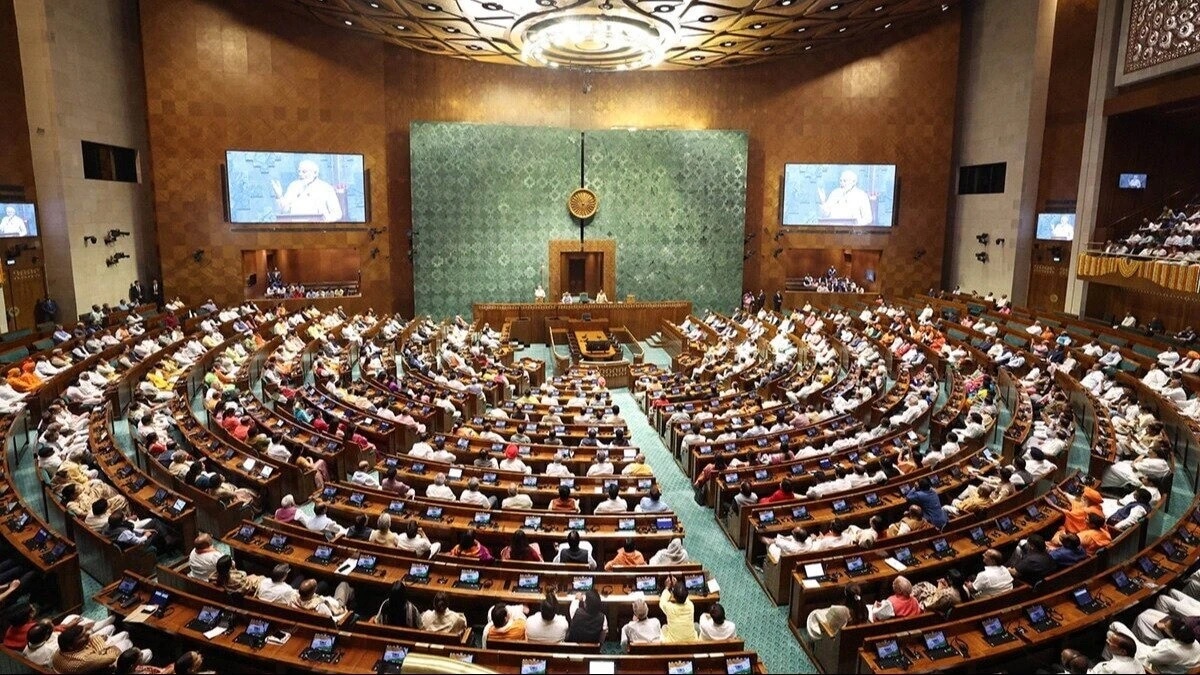
Lok Sabha

Agenda

Strengthening India's internal security framework while upholding democratic accountability and regional stability.

VW
Chair
Vrishab Wig
Lok Sabha

Brief

India's internal security architecture sits at the intersection of counter-terror operations, separatist movements in J&K and the Northeast, left-wing extremism, communal flashpoints and the digital frontier of disinformation. Each tool — UAPA, AFSPA, NIA, NSA — has critics inside and outside Parliament.

This committee asks the House to legislate for a robust security state without compromising the federal structure, due process or the credibility of Indian democracy. Expect intense debate across the Treasury and Opposition benches.

PDF · Background Guide
Lok Sabha — Study Guide

Full legislative context, key Acts, recent precedents and the chair's research recommendations.

Password required · Ask your chair
20 Portfolios Treasury & Opposition representation
#Member of ParliamentParty
01Narendra Modi (Prime Minister)BJP
02Amit Shah (Home Minister)BJP
03Rajnath Singh (Defence Minister)BJP
04Nirmala Sitharaman (Finance)BJP
05S. Jaishankar (External Affairs)BJP
06Smriti IraniBJP
07Anurag ThakurBJP
08Hema MaliniBJP
09Rahul Gandhi (Leader of Opposition)INC
10Shashi TharoorINC
11Manish TewariINC
12Gaurav GogoiINC
13Priyanka Gandhi VadraINC
14Akhilesh YadavSP
15Mahua MoitraTMC
16Supriya SuleNCP-SP
17Asaduddin OwaisiAIMIM
18Kanimozhi KarunanidhiDMK
19Mehbooba MuftiPDP
20Chandrashekhar AzadAzad Samaj Party
Committee 03 · Global

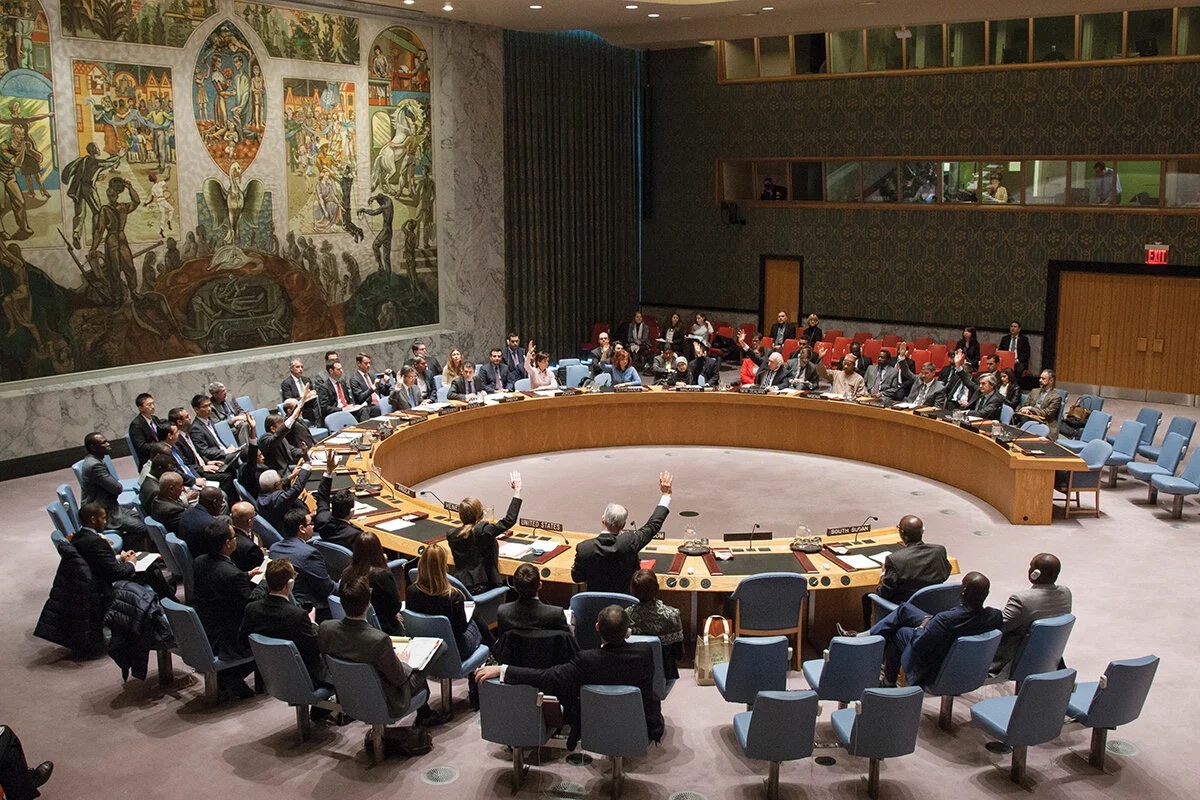
United Nations Security Council

Agenda

The regulation, deployment, and militarisation of autonomous artificial intelligence systems as a threat to international peace and security.

DC
Chair
Dakshesh Chetal
UNSC

Brief

Lethal autonomous weapons, AI-enabled cyber operations and algorithmic warfare have outpaced the international legal framework. The Convention on Certain Conventional Weapons has stalled. The CCW's Group of Governmental Experts has yet to deliver a binding instrument.

The P5 disagree fundamentally on whether AI should be governed, restricted or operationalised. Smaller members must navigate the geopolitics of a technology that will define the next half-century of armed conflict — and the very meaning of "use of force" under Article 2(4).

PDF · Background Guide
UNSC — Study Guide

Treaty landscape, P5 positions, technical primer on autonomous systems.

Password required · Ask your chair
15 Members P5 + 10 elected · standard UNSC composition
#CountryStatus
01United States of AmericaP5
02United KingdomP5
03FranceP5
04People's Republic of ChinaP5
05Russian FederationP5
06AlgeriaE10
07GuyanaE10
08Republic of KoreaE10
09Sierra LeoneE10
10SloveniaE10
11DenmarkE10
12GreeceE10
13PakistanE10
14PanamaE10
15SomaliaE10
Committee 04 · Human Rights

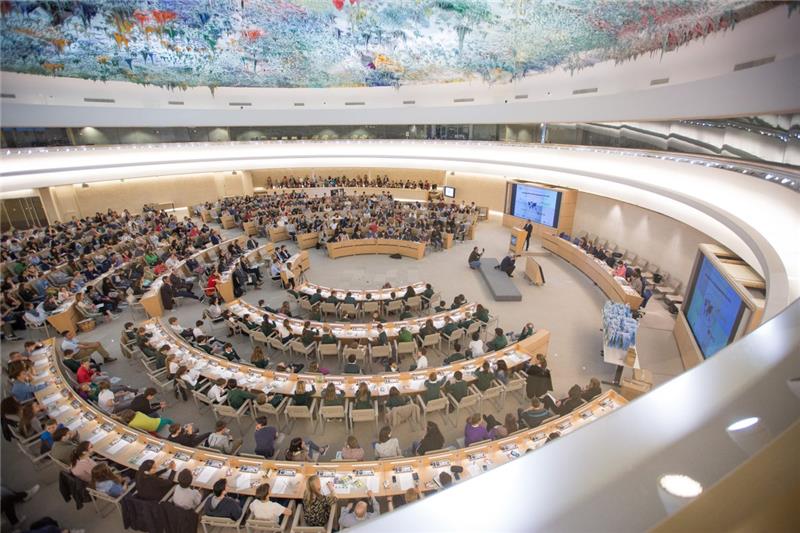
UN Human Rights Council

Agenda

The Crisis in Sudan: protecting civilians and democratic transition amidst civil war.

SC
Chair
Sid Chandra
UNHRC

Brief

The conflict between the Sudanese Armed Forces and the Rapid Support Forces has displaced over 10 million people and brought Darfur and Khartoum to the brink of famine. Reports of ethnic violence, sexual assault as a weapon of war, and obstruction of humanitarian corridors continue to mount.

Delegates must protect civilians, navigate the role of regional actors (UAE, Egypt, Saudi Arabia, Ethiopia), and design a credible roadmap for civilian-led democratic transition. The committee will weigh sanctions, peacekeeping mandates and the legal threshold for atrocity-crime referrals.

PDF · Background Guide
UNHRC — Study Guide

Crisis timeline, actor mapping, international humanitarian law framework.

Password required · Ask your chair
25 Portfolios Representative HRC slate + crisis-relevant observers
#CountryBloc
01United States of AmericaWestern
02United KingdomWestern
03FranceWestern
04GermanyWestern
05NetherlandsWestern
06People's Republic of ChinaAsia-Pacific
07Russian FederationEE
08IndiaAsia-Pacific
09JapanAsia-Pacific
10IndonesiaAsia-Pacific
11PakistanAsia-Pacific
12BrazilGRULAC
13ArgentinaGRULAC
14MexicoGRULAC
15South AfricaAfrica
16NigeriaAfrica
17KenyaAfrica
18EthiopiaAfrica
19ChadAfrica
20EgyptAfrica
21Saudi ArabiaArab Group
22United Arab EmiratesArab Group
23QatarArab Group
24TurkeyWEOG
25Republic of South Sudan (Observer)Observer
Committee 05 · Historical

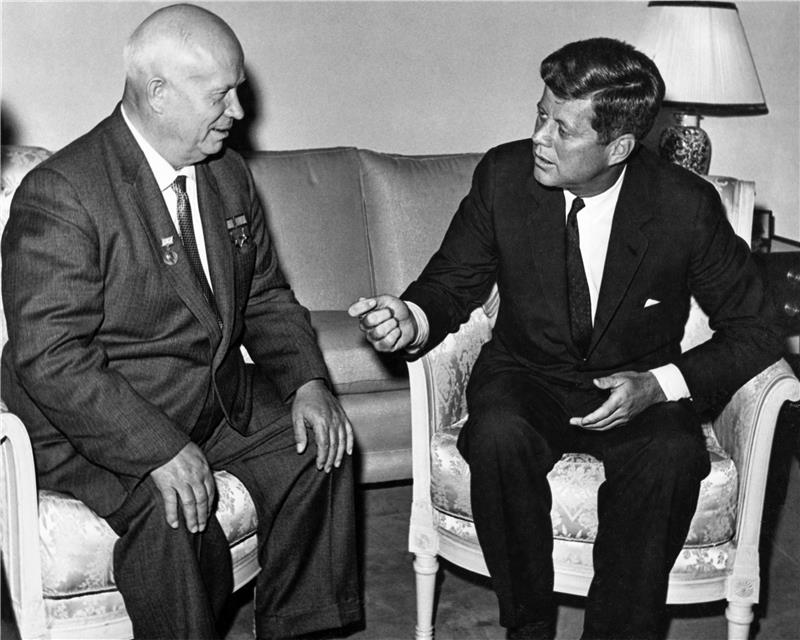
Historical Crisis Committee

Agenda

Navigating the Cold War. A dual-cabinet simulation of espionage, brinkmanship and ideological warfare.

AK
Chair
Abeer Narayen Kaul
HCC

Brief

From the Berlin Airlift to the Cuban Missile Crisis to the proxy wars of the Global South, the Cold War defined four decades of international politics. The HCC will run as a dual-cabinet crisis — the US National Security Council vs. the Soviet Politburo — with live updates, intelligence injects and directive-driven decision-making.

Delegates will be expected to write directives, communiqués and crisis notes. The chair reserves the right to alter the timeline based on committee action — history is yours to rewrite.

PDF · Background Guide
HCC — Study Guide

Crisis mechanics, dual-cabinet rules, key Cold War flashpoints.

Password required · Ask your chair
18 Portfolios Dual cabinet · 9 USA NSC + 9 Soviet Politburo
#PortfolioCabinet
01President of the United StatesUSA · NSC
02Secretary of StateUSA · NSC
03Secretary of DefenseUSA · NSC
04National Security AdvisorUSA · NSC
05Director of Central Intelligence (CIA)USA · NSC
06Chairman, Joint Chiefs of StaffUSA · NSC
07US Ambassador to the United NationsUSA · NSC
08Attorney GeneralUSA · NSC
09Director, FBIUSA · NSC
10General Secretary, CPSUUSSR · Politburo
11Chairman of the Council of MinistersUSSR · Politburo
12Minister of Foreign AffairsUSSR · Politburo
13Minister of DefenceUSSR · Politburo
14Chairman, KGBUSSR · Politburo
15Chief of the General StaffUSSR · Politburo
16Soviet Ambassador to WashingtonUSSR · Politburo
17First Secretary, Warsaw Pact CouncilUSSR · Politburo
18Chairman, Gosplan (State Planning Committee)USSR · Politburo
Committee 06 · Press

International Press Corps

Agenda

Reporting, framing and challenging the debate across every committee. The IPC publishes daily editions, photo features and live news bulletins throughout the conference.

NK
Chair
Nakyung Kim
IPC

Brief

The IPC is the fourth estate of the conference. Reporters and photojournalists are assigned to committees, file daily copy, conduct live interviews and publish the conference newspaper at the end of each day. Strong news judgment, clean writing, and ethical reporting matter as much as scoops.

Delegates may pick reporter or photojournalist tracks. All entries must observe AP/Reuters style conventions and credit sources where required.

PDF · Background Guide
IPC — Style & Brief

Stylebook, daily filing schedule, judging criteria, photo deliverables.

Open Background Guide
18 Outlets Wires · Print · Broadcast · Photojournalism
#OutletType
01ReutersWire
02Associated PressWire
03Agence France-PresseWire
04The New York TimesPrint
05The Washington PostPrint
06The GuardianPrint
07The EconomistMagazine
08The HinduPrint · India
09Hindustan TimesPrint · India
10The Indian ExpressPrint · India
11BBC NewsBroadcast
12CNNBroadcast
13Al Jazeera EnglishBroadcast
14NDTVBroadcast · India
15Deutsche WelleBroadcast
16Xinhua News AgencyState Wire
17TASSState Wire
18Photojournalist (Free Pool)Photo